Trim your grocery basket without losing the meal
An over-budget basket needs a smaller total, not an unfinished dinner. Keep the ingredients that make a familiar meal workable, then look at what can wait.
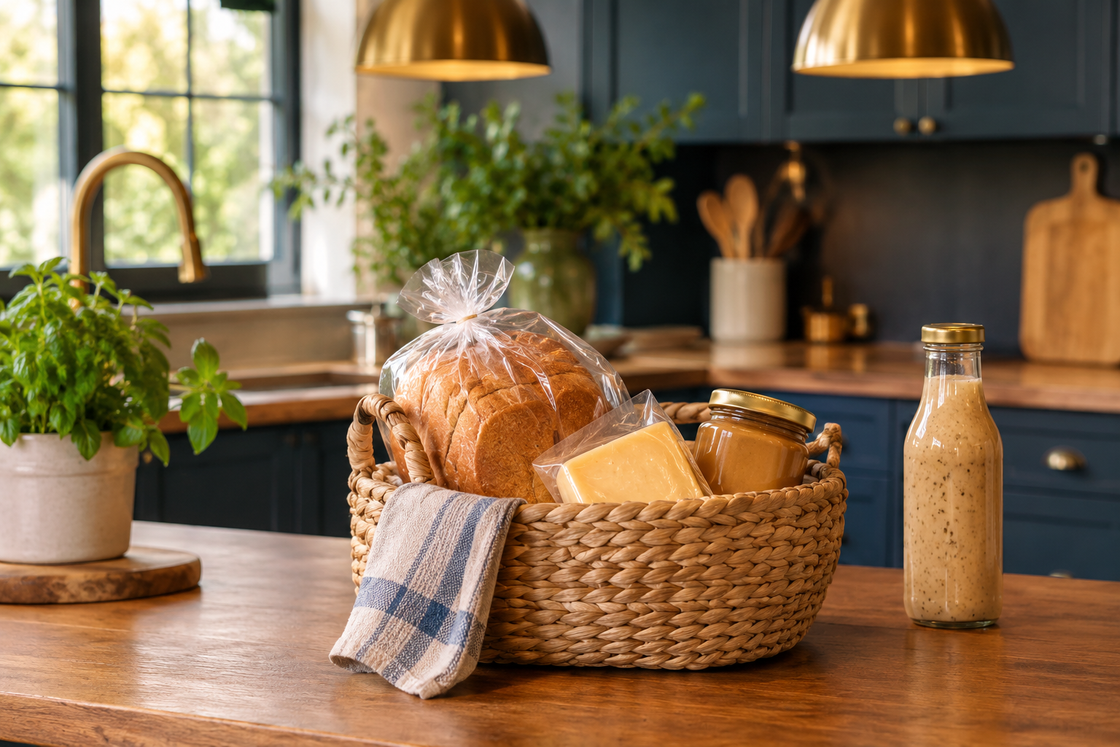
When your grocery basket costs more than you can spend today, name the meal you still need it to make before removing anything. Keep the food that makes that meal possible and appealing to you. Then look for purchases you can leave out without creating another job at home.
This is a check of a basket already in progress, not a request to plan the week again. You can use it beside an online total or while reviewing your shopping list. The question is smaller than finding the cheapest possible dinner: what can change without losing the meal you intended to eat?
Name what needs to reach the plate
Pick the next meal this shop needs to cover. Say it plainly: my usual cheese sandwich, pasta with the smooth sauce, or the microwave dinner I already like. Include the amount you need for the people eating; making the basket affordable should not quietly mean buying too little.
Check what you know is already at home. Bread in the basket might be essential, or it might duplicate a loaf you have. If you are unsure, do not remove a key ingredient on the strength of a hopeful guess. You do not need a full cupboard inventory to check one meal.
Decide what optional means for you
A topping is not automatically an extra. If a particular spread makes the sandwich something you want to eat, it belongs with the meal's essentials. Another person might happily leave it out. Use your actual version, not an imagined simpler version you would avoid.
For a familiar sandwich, you might keep the usual bread, filling and spread, but leave out a new dressing intended for a side dish you have not decided to make. That removes a purchase without changing the sandwich. It is an example of a decision, not a suggested menu or a claim about current prices.
- Keep: ingredients needed for the meal and the details that make it workable for you.
- Check: duplicates or extra quantities you do not need before the next shop.
- Consider leaving: an optional addition with no other needed meal depending on it.
Avoid moving the cost into preparation
Replacing a familiar prepared ingredient with a cheaper whole version may add chopping, grating or washing-up. Before swapping, picture the first task you would face at home. Would you have the energy, equipment and willingness to do it today?
If the prepared ingredient is what lets dinner happen, look elsewhere in the basket first. For that specific comparison, spend your shortcut budget on the hardest prep step explores the job a convenience purchase removes. Here, the aim is to preserve a workable whole meal while reducing today's total.
Check the amount payable, not only the value label
A different pack size of a food you already use might fit better. Compare the total selling prices and check whether the smaller quantity covers what you need. Do not assume either pack is cheaper without reading the actual prices.
The ACCC explains that unit prices show cost using a standard measurement. That helps compare value, but a lower unit price can sit beside a higher selling price. If those numbers are pulling you in different directions, compare the unit price without committing to the bigger pack walks through that separate check.
Keep your usual dietary and product checks in place. A lower price does not make an unfamiliar replacement suitable. If no known alternative works, you can leave that ingredient unchanged while considering another purchase.
Read the meal back after each change
After removing something, name what you can now make with the basket and the food you actually have. Then check the new total. If the meal still works and the cost fits, stop reviewing. There is no requirement to optimise every item.
If the essentials still exceed the available money, this check has reached its limit. Consider a different already-familiar meal as a whole, rather than stripping the original down until it no longer works. Include everything the alternative needs before comparing totals. If neither fits, asking someone you trust for specific food or shopping help is an option; this is not a failure to budget carefully enough.