When someone offers food help, send a usable request
An offer of dinner can become another task if the details are missing. Name the food, amount, preparation and handover so the help fits your evening.
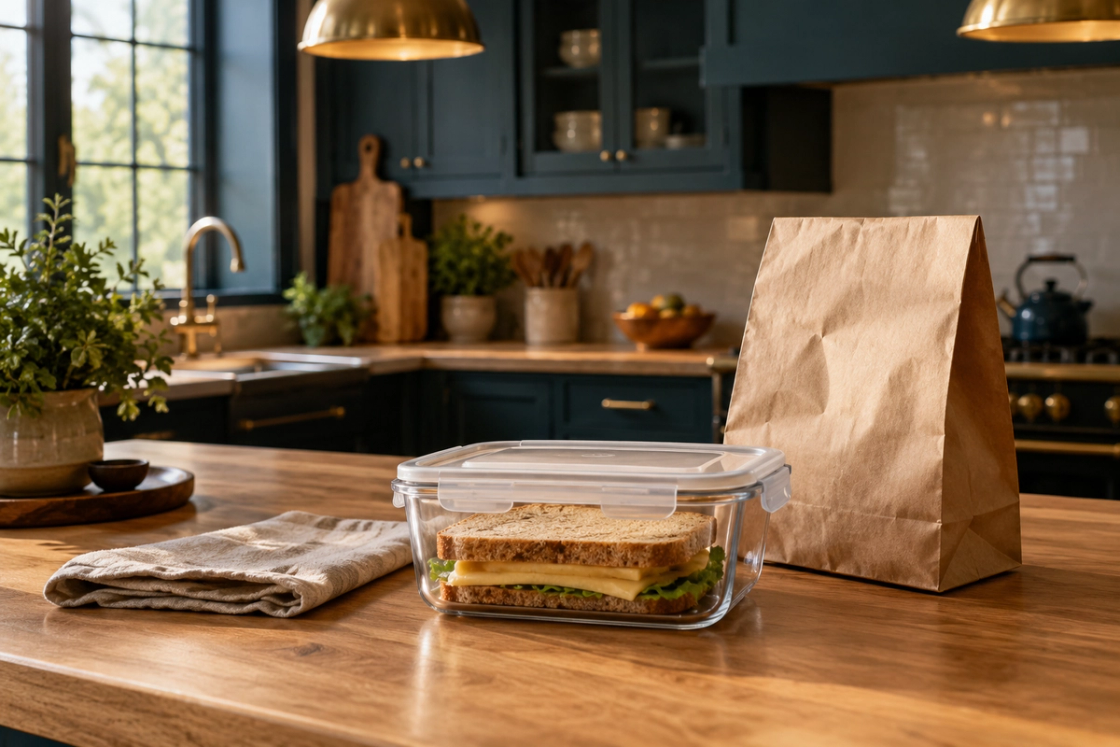
When someone offers to help with food, reply with a familiar food, the amount you need, how ready it needs to be and a handover time. Add any container arrangement that matters. You are describing the help you can use, not designing the most impressive dinner.
A generous bag of ingredients may still leave you chopping. A large casserole may need dividing, storing and a dish returned across town. Naming those jobs before the food arrives gives both people a clearer idea of what they are agreeing to.
Start with one food you already want
Choose something familiar rather than answering the whole question of what you could eat this week. That might be a particular sandwich, your usual takeaway order or a meal this person has made for you before. Homemade is not a requirement.
Describe the detail that makes it work for you: the usual bread, a smooth sauce, no garnish, or wet and crunchy parts kept apart. Preferences differ. You do not need to ask for plain or soft food if that is not what you enjoy.
Keep any dietary requirements explicit and separate from taste preferences. This message is not a substitute for the checks you normally need. If the person cannot meet your requirements, choose a different kind of help rather than asking them to guess.
Say how much, and what work can remain
An amount can be ordinary language: one sandwich, dinner for two, or one portion with no extras. More food is not automatically more useful when your fridge is full or you do not want tomorrow's meal decided.
Then describe the finishing work you can manage. Ready to eat, needing reheating, and needing cooking are different requests. Name the equipment you have if that affects the choice. An oven-ready tray is not a helpful surprise when you only plan to use the microwave.
- No preparation tonight: ask for the food assembled in the way you want to eat it.
- Some reheating is manageable: ask for a prepared portion with appropriate storage and reheating instructions.
- Food is already at home: ask for one task, such as making your usual sandwich or washing the bowl you need.
Include access to the food, too. If a tight lid would stop you, the note on packaging that is difficult to open can help you name the specific action you need assistance with at handover.
Agree the handover, not a surprise visit
Suggest a time when you can receive the food and say whether you have energy for company. For example: “Could you text when you arrive? I can meet you at the door, but I am not up for a visit tonight.”
Arrange for someone to receive the food rather than leaving it outside indefinitely. Food Standards Australia New Zealand advises keeping food protected during transport and potentially hazardous food cold at 5°C or below, or hot at 60°C or above. A convenient meeting time does not replace safe transport and storage.
Settle the container question now. Could they use a suitable container you can keep, or collect their dish themselves later? You can say, “I cannot manage a return trip this week.” If buying containers would add a cost, discuss another arrangement rather than assuming the helper can cover it.
A message you can adapt
“Thank you for offering. Could you bring one of the cheese sandwiches you made last time, on the same bread, ready to eat? One is enough. Could we meet at my door at six, with a text when you arrive? I am not up for a visit. Please use something I do not need to return. Let me know if that works.”
Swap the food and details for your own. This is an example request, not a meal recommendation for everyone. You can send a voice message instead, or ask someone you trust to pass on the agreed details.
Let a smaller offer be useful
The person may be able to collect an order but not cook, or help tomorrow rather than tonight. Ask them to confirm what they can do before relying on it. If money is involved, agree who is paying and the spending limit first.
You do not need to turn one offer into a support calendar. Start with one meal or one practical task. Save the wording if it works, changing the amount, timing and needs next time. The aim is help that ends with less work on your side of the door.