Save the details that make a familiar meal work
A familiar meal can depend on details you do not want to work out again. Save the product, serving preferences and original method location in one findable note.
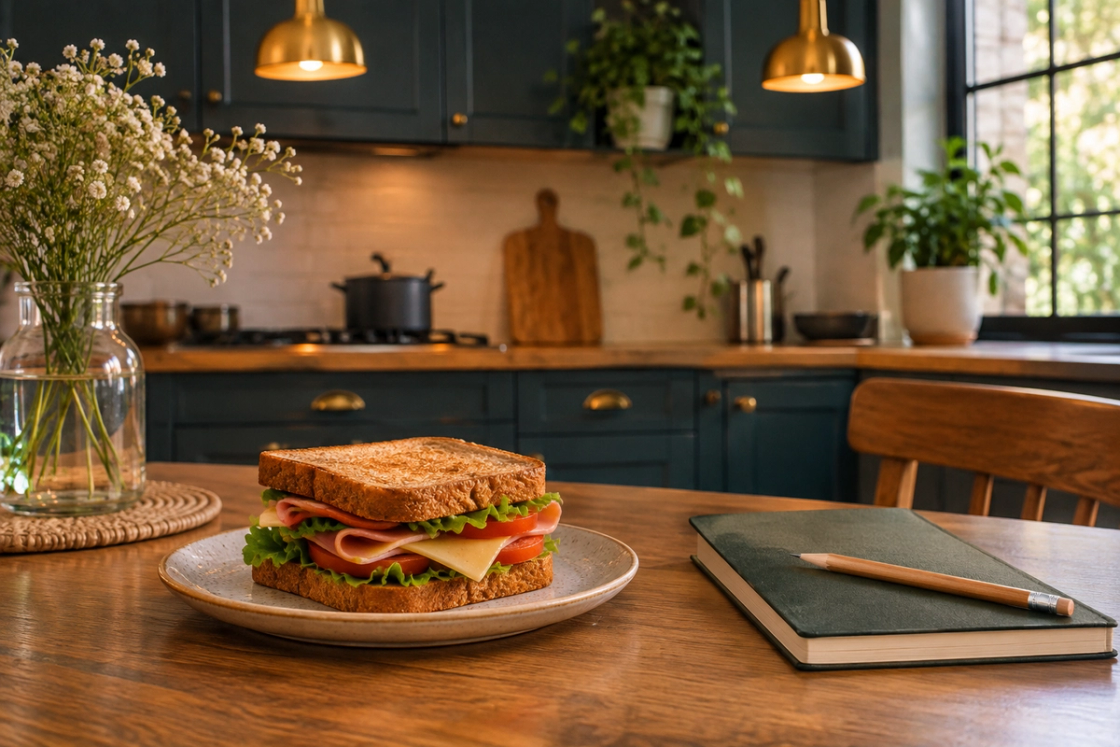
When a meal works for you, save the details you would want next time: the exact food, the way you like it served and where to find the full method. Keep them together in one note you can reopen. You do not need to record every meal or build a recipe collection first.
Start with something you already eat. Perhaps you remember liking the sandwich but cannot name the bread, or you keep searching for the same pasta recipe. The note is there to answer that small question, not to rate your eating or set a target for tomorrow.
Name the detail you would otherwise have to guess
Use the meal name you would naturally search for, such as ‘usual lunch sandwich’. Underneath it, record the product name and variety when those matter. A clear photo of the front of the packet can save typing, provided you can read the name later.
Then add the serving detail that makes a difference to you. That might be the bread left untoasted, a smooth rather than chunky spread, or a crunchy component kept separate. Someone else might prefer everything mixed together. Describe your version rather than making a rule about what sensory-friendly food should look like.
Be concrete where ‘the usual’ would leave you guessing. ‘Small blue bowl; topping beside it’ says more than ‘serve nicely’. Leave out details you do not care about. You do not need a texture checklist for every ingredient.
Save the way back to the method
For a cooked meal, record the recipe title and its location: a saved original page, a cookbook and page number, or the instructions on the current packet. Open that location once to check you can reach the complete method, including its quantities and notes.
Keep preference notes separate from instructions. ‘Sauce beside the pasta’ is a serving preference, not a replacement for cooking directions. Do not turn a remembered cooking time into a shortened method or use a cropped photo as the only instructions.
Food Standards Australia New Zealand advises following the supplier's directions for use and cooking instructions on the label. Use the current packet, not an old product photo, for those directions and its storage information. A saved preference is not evidence that a food meets your dietary requirements.
If finding your place is the difficulty once the recipe is open, keep your place in a recipe without rewriting it covers that separate job. Your meal note only needs to get you back to the right instructions.
Try a small note, not a diary
These headings are an optional starting point. Fill in the parts that would be useful for one familiar meal; empty headings do not need homework.
- Meal: the name I will recognise later.
- Product: exact name and variety, or a readable photo.
- Serving: the detail I want to keep, such as components apart or my preferred bowl.
- Method: where the complete original instructions live, if needed.
No calorie totals, symptom tracking or daily entries are needed for this task. If typing is tiring, use a short voice note with a recognisable title. If a phone adds distraction, a card tucked beside the cookbook may be easier. Choose a format you already use.
Make it findable when you need it
Put the note in one predictable place. Pin an existing phone note if that option is available, or keep the card with your usual recipe. Try finding it from your normal starting point rather than relying on remembering which message thread contains it.
A meal note and a shopping list have different jobs. The note describes the version you like; the shopping list records what you need to buy. Copy a missing product across when needed, without turning either into an inventory of the kitchen.
Next time you use the note, change anything that no longer fits. You can stop wanting a topping or prefer a different bowl without preserving a history of every version. If one line answered the question you usually get stuck on, keep that line. The note has done enough.