Plan the takeaway handover, not only the order
A familiar takeaway still needs a workable handover. Check the entrance, delivery option and contact plan before paying, with someone ready to receive the food.
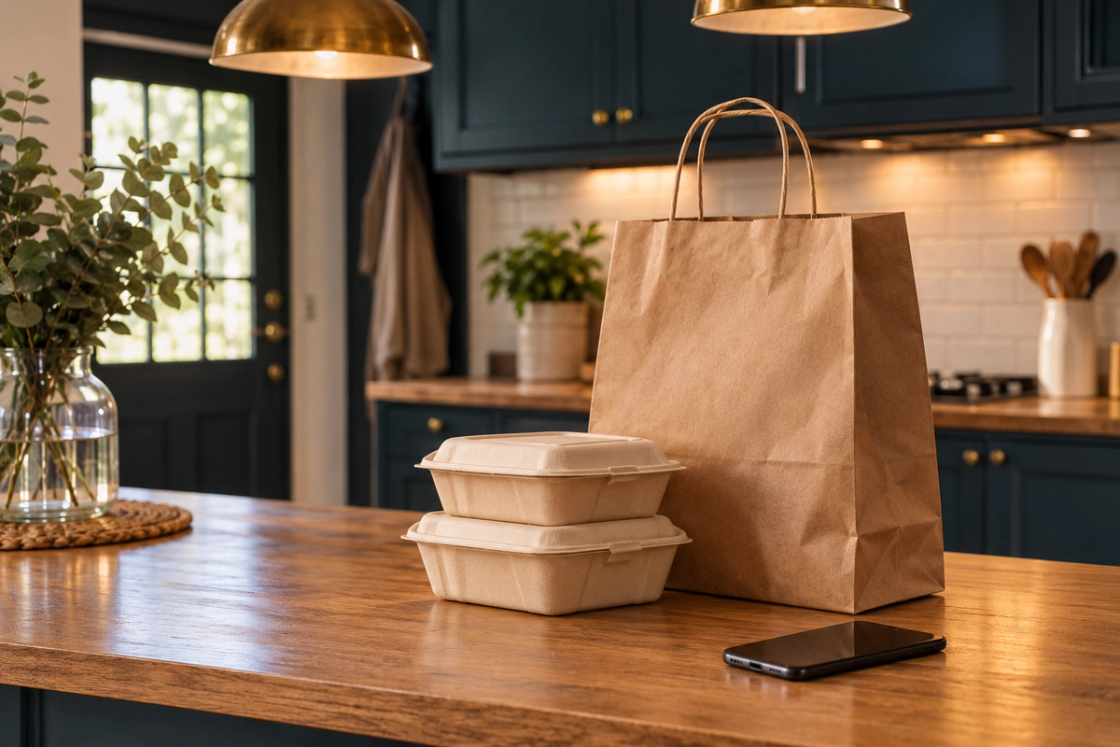
Before confirming a familiar takeaway, check three things: where the delivery person should go, which handover option is available and who will receive the food. Keep the meal you already chose. This is about getting it through the right door without a new set of decisions when it arrives.
The awkward part might be a loud buzzer, a confusing building entrance or the effort of getting downstairs. Different evenings can need different arrangements. You do not need to explain a diagnosis to give a clear delivery instruction.
Name the entrance, not every landmark
Start with the saved address. Check the street number, unit and suburb rather than assuming last time's details still fit. If the service shows a map pin, look at whether it points towards the entrance you mean.
Then add the detail someone arriving for the first time would need. A corner building might have its pedestrian entrance on the side street. A unit complex might have several gates. Name the usable entrance and one visible feature rather than describing the whole route through the neighbourhood.
For example: ‘Pedestrian entrance on Smith Street, beside the blue letterboxes.’ This is example wording, not a complete address. Replace it with your actual entrance and keep the address in the service's address field.
Choose a handover you can manage
Read the options offered for this order. Uber Eats' help page describes leave at door, meet at door and pick up outside, with extra delivery instructions added before confirmation. Check your own checkout screen rather than assuming every service or order offers the same choices.
Think through the last part of each option. Meeting outside may mean shoes, keys, a lift and carrying the bag back. Leaving food at a door still needs someone ready to bring it in. A building entrance and your flat door may be different places; name which one you mean.
- If a buzzer is unwelcome, request an available message-based handover, while keeping a way to notice delivery updates.
- If going downstairs is not manageable, confirm a workable arrangement before relying on delivery to your flat.
- If someone else will receive the order, ask them first and tell them the agreed entrance and handover option.
A note is a request, not confirmation that access is possible or that every preference can be met. Keep building security arrangements intact. If the offered handover will not work, pause before paying and check an alternative you can actually use.
Give the contact note one clear job
Use the delivery instructions for finding you and handing over the order, rather than hiding those details among food preferences. Keep any dietary checks separate; a delivery note is not confirmation from the kitchen.
A short example is: ‘Please use the Smith Street entrance beside the blue letterboxes. Message through the app when you arrive; I will meet you there.’ Use that wording only if you can receive the message and reach that entrance.
Uber Eats says its tracking screen offers contact with the delivery person once the order is on the way. It also notes they may be driving and unable to answer immediately. Do not build the plan around an instant reply or assume silence means a request has been agreed.
Decide who is watching for arrival
Before ordering, check that you or the person helping can notice updates and receive the food. Choose an alert you can tolerate and reliably notice, and keep the phone within reach. If someone else is collecting at the entrance, agree who will pass on changes rather than assuming both people are watching.
If the help needs a clearer agreement, send a usable request for food help covers naming the task and handover. Here, the request can stay small: receive this order and bring it inside.
Finish with a quick readback: correct entrance, available handover, reachable receiver. Save useful wording after a delivery that works, then check it against the next order. You are keeping a practical starting point, not making a promise that every evening or delivery will run the same way.