Ask about serving temperature before you order
A familiar dish can arrive with an unexpected cold topping. Ask about the parts before ordering, then choose a confirmed version or a familiar fallback.
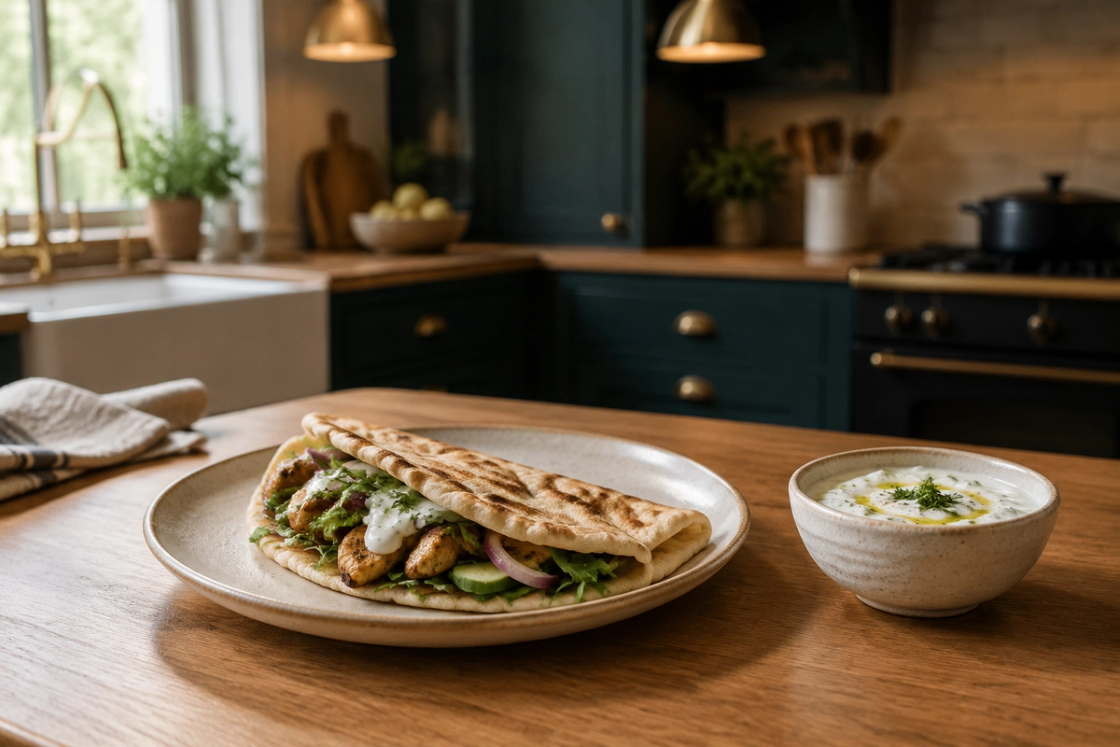
Before ordering a familiar dish, ask which parts arrive hot or chilled and whether a cold topping is already mixed in. If the answer does not suit you, choose another confirmed option rather than trying to change how the kitchen cooks or holds the food.
You might enjoy a hot meal with a cold sauce, prefer the parts separate, or want a chilled dish throughout. The useful detail is your preference today. You do not need to explain a diagnosis to ask how a meal is served.
Ask about the part that matters
A menu name is a starting point, not a complete description of the serving. Instead of asking whether the whole dish is hot, name the component you are unsure about. That gives the person taking your order a specific question to answer or check with the kitchen.
- “Is the filling served hot, or is this a chilled sandwich?”
- “Does the bowl have chilled salad mixed through the hot part?”
- “Is the yoghurt topping cold, and is it added when the order is assembled?”
Pick the question that would change your order. You do not need to investigate every ingredient. If the word “hot” could mean chilli, add “I mean temperature, not spice” so you are asking about the same thing.
Check whether the topping is optional
A topping offered separately is different from an ingredient already mixed through a dish. Ask which applies before paying. “Is the cold sauce already mixed in, or is leaving it off an option?” is more useful than assuming that a note in the order box can change the meal.
If staff confirm an offered version without the topping, and that version appeals to you, order it clearly. If the dish comes assembled and cannot be changed, you have an answer. You can choose something else without needing to negotiate a new method.
For example, imagine a familiar filled flatbread listed with a yoghurt dressing. Your question is whether the dressing arrives cold and whether it is optional. The decision is between the confirmed versions available, not a request to warm the dressing or leave the filling sitting out.
Keep a short script within reach
If speaking at the counter takes effort, put the question on your phone before you arrive. You can read it, show it to staff, or ask someone you are with to read it for you. Choose whichever route asks less of you.
Try: “Before I order, can I check how this is served? I prefer not to have a cold topping mixed through a hot meal. Is there an option you already offer that fits?”
For an online order, use an available contact option if you need an answer before purchasing. An unchecked request in a delivery note is not confirmation. If contacting the venue costs more energy than you have, choosing a familiar alternative is also an option.
Give an unclear answer a stopping point
“Probably warm” may not tell you what you need. Ask one concrete follow-up: “Could you check whether the topping comes straight from chilled storage?” If staff cannot confirm the detail, you do not have to order it and hope.
Keep a familiar fallback in mind, including its current price. If choosing that backup is the bigger task, a short list of familiar takeaway orders can be a separate job for a day with more capacity. Today's task is checking the serving detail, not researching every venue.
Choose the serving, not a different safety process
Food businesses have temperature-control requirements for potentially hazardous food. A sensory preference is not a reason to ask staff to undercook a dish, leave chilled ingredients out or alter their cooling and holding practices. This check is about understanding what they already offer.
You can finish with a simple readback: “Thanks, I'll have the version without the optional cold topping.” Or: “That one won't suit me today; I'll have my other choice.” A clear answer and an acceptable meal are enough. The order does not need a longer explanation.