A supermarket markdown is not a meal plan
A reduced sticker does not tell you what dinner will ask of you. Check the familiar meal, extra purchases and preparation before taking a bargain home.
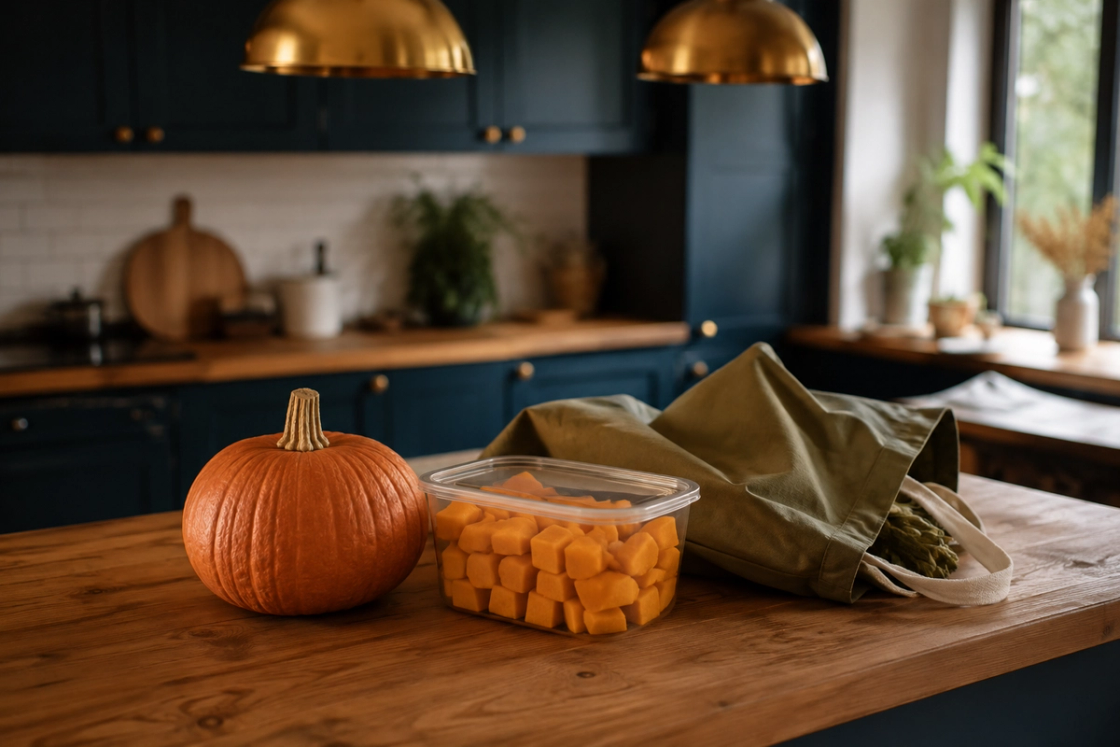
Before a discounted food goes in the trolley, ask: what familiar meal would I use it in, what else would I need to buy, and what work would it add? You do not need a week's menu. You need a believable use for this particular pack.
A markdown can fit your shop beautifully. It can also send you looking for a recipe, extra ingredients and energy you had not planned to spend. The sticker answers a price question. It cannot answer whether you want the food or can manage preparing it.
Name the meal before the saving
Try finishing one sentence: “This can go into my usual…” A familiar sandwich, pasta dish or breakfast is enough. The answer does not need to be impressive, balanced on paper or different from yesterday.
If your answer is “I could find something to make with it”, notice the extra task. Searching is allowed, but it is not already done. On a tiring shop, you can choose food with a use you recognise instead of taking home a cooking project.
Check the version too. A reduced mixed pack is not the same purchase as the plain ingredient you usually enjoy. A different sauce, cut or texture may make the familiar meal less appealing. You do not have to accept that difference because the price is lower.
Count the things that come with it
Look beyond the marked-down pack to the rest of the basket. Would you need a sauce, a topping or another main ingredient? Are those already at home, or would this purchase send you down more aisles?
You can compare the checkout cost of the meal you intended to buy with the cost of this alternative, including its extras. No detailed spreadsheet is required. If the new basket no longer fits your spending limit, the discount has not solved that problem.
The pack size matters as well. Buying more means deciding what happens to more. Do not count every piece as useful if you only want a small amount, or if using the rest depends on meals you do not actually want.
Picture the work after unpacking
Imagine the first actions at home: opening, washing, peeling, chopping, cooking and cleaning up. Which ones would this food need? Check the product's directions rather than assuming a prepared-looking item is ready to eat.
A whole discounted pumpkin and a bag of prepared pieces might suit different days. Neither is automatically better value for you. If cutting is the barrier, a cheaper whole ingredient still leaves that job waiting.
If you are comparing those options, spending your shortcut budget on the hardest prep step offers a way to weigh the extra cost against the task removed. Here, the smaller question is whether this particular markdown belongs in today's basket.
Keep the date check separate
Read the date and the storage and preparation instructions before deciding. Food Standards Australia New Zealand says food should not be eaten after its use-by date. A best-before date concerns quality rather than the same safety deadline; it is not interchangeable with a use-by date.
Follow the label's storage and use directions, including instructions after opening. A lower price does not change them. If you cannot see a realistic way to use the food within those instructions, leave it. This usefulness check is not a substitute for your usual food-safety or dietary checks.
Give the decision an ending
For a low-energy shop, keep the prompt short:
- Meal: I know where this fits, and I want to eat it.
- Extras: the whole purchase fits my budget.
- Effort: I can manage what it asks, within the label's instructions.
If an answer is missing, you can put it back and continue with your original shop. You do not need to inspect every reduced item or turn every discount into dinner. Leaving a bargain on the shelf can be a completed decision, not a missed opportunity.