When Winter Food Stops Working
By late winter, the meals that carried you through can stop landing. Here's how to rotate a safe list without throwing it out and starting from scratch.
It is late August, and the soup you have eaten twice a week since May has stopped tasting like anything. The toast is boring. The pasta is boring. You open the fridge, look at food you know is fine, and feel nothing about it.
This is one of the more disorienting things that can happen with safe foods, because the whole point of them is that they always work. When one stops working, it can feel like the system has failed.
It hasn't. This is normal, it is temporary, and it usually needs a much smaller fix than starting over.
What's actually happening
Safe foods work because they are predictable. You know the texture, the smell, the temperature, how long it takes and what it will feel like in your mouth. None of that has to be decided, which is why these meals cost so little energy.
After three or four months of the same few dishes, that same predictability can flip. The flavour stops registering. Sometimes it goes further and the food becomes mildly off-putting — the smell is too familiar, the texture feels heavy. This is sensory adaptation doing what it does, not a sign that you have ruined a food forever.
A safe food going flat is a fatigue problem, not a taste problem. Fatigue passes.
Don't scrap the list
The tempting move is to declare the safe list dead and go looking for new meals. That is a big project: shopping for unfamiliar ingredients, cooking things you have never made, and finding out mid-mouthful whether the texture is tolerable. It is expensive, it takes energy you may not have, and it very often ends with toast anyway.
The list is still good. It has carried you for months. It needs rotating, not replacing.
Change one variable at a time
A meal is made of several separate things: temperature, texture, flavour, the vessel, the time of day. Change one and the meal often reads as new, while everything else stays predictable enough to be safe.
- Temperature. Eat the same thing colder, or hotter. Cold leftover rice with a bit of soy is a different food to hot rice.
- Texture on top. Crushed crackers, toasted seeds, fried onions from a packet. A crunch over something soft changes the whole mouthful.
- Acid. A squeeze of lemon or a splash of vinegar cuts through heaviness faster than any new recipe will.
- Sauce on the side, not stirred through. You keep the option of eating it plain if the sauce turns out to be wrong today.
- A different bowl. Sounds trivial. Often isn't — a shallow bowl and a deep mug are genuinely different eating experiences.
- A different meal slot. Soup at 11am. Eggs at 7pm. The food is unchanged; the context isn't.
One change per attempt. If you change three things and it doesn't work, you have no idea which one was the problem, and you may lose the original version too.
Rest a food rather than retiring it
If a dish has gone properly off you, stop eating it for three or four weeks instead of crossing it off. Most of the time it comes back. Foods that get permanently deleted during a fatigue patch are hard to rebuild later, and the list only gets shorter.
It helps to have four or five things in rotation rather than two, so no single meal has to carry a whole season.
Let the season do some of the work
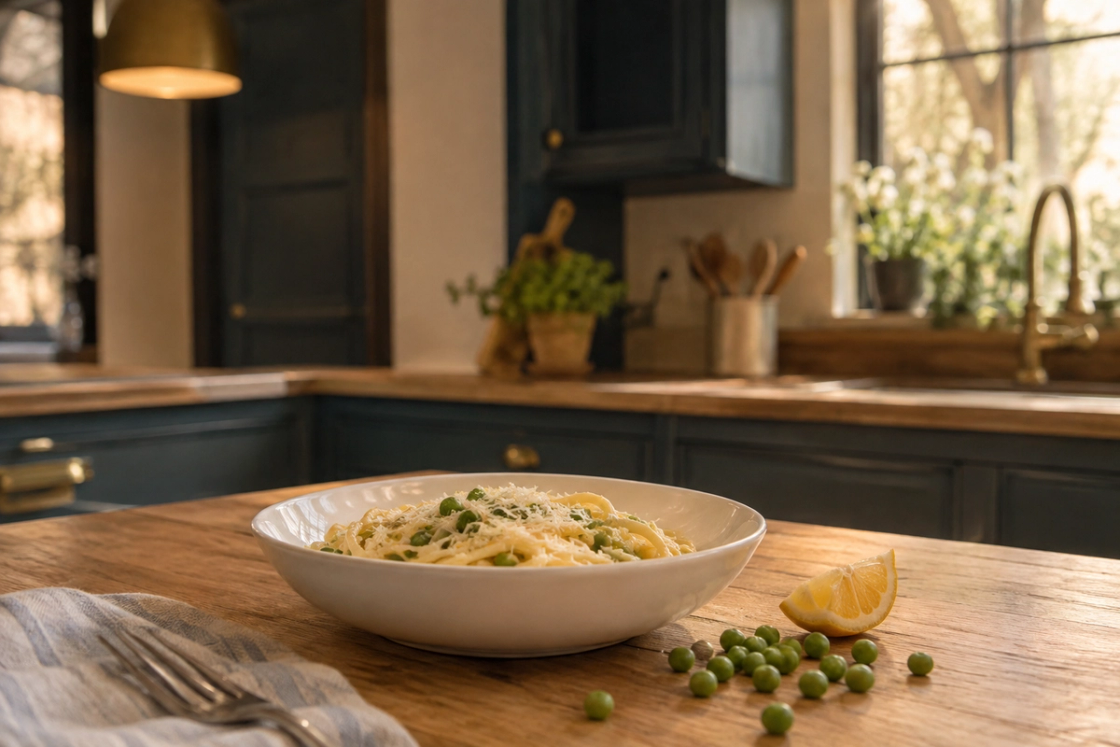
Part of late-winter fatigue is that the food has been heavy and warm for months. Early spring produce arrives cheap and does the rotating for you: peas, asparagus, spring onions, soft herbs, the first decent tomatoes. A handful of peas stirred into the usual pasta at the end is a two-dollar change that takes thirty seconds.
You do not need a new recipe to use them. Adding something green to a dish you already make is enough.
When nothing sounds good at all
Some weeks every option feels flat. On those days, drop the goal of enjoying the meal and keep the goal of eating. Plain crackers, a tin of something, a snack plate of four small things that need no cooking. Eating flat food is a much better outcome than eating nothing while waiting to feel like eating.
Appetite usually returns before the interest in cooking does. Let it.
The short version
Your safe list is not broken. It is tired. Change one thing about one meal this week, rest whatever has gone sour, and let the season bring in something green. The list stays, and you keep the part that matters — less deciding, more eating.
Related reading: "The Right Bowl, the Wrong Fork: When the Utensils Are the Barrier" covers the sensory side of the same problem, and "Leftovers You'll Actually Eat" is useful when the rotation depends on food you cooked days ago.