When the Smell of Cooking Gets Into Everything
Cooking smells can linger for hours and put you off the food you just made. What to cook, and how to vent, when smell is your limiting factor.
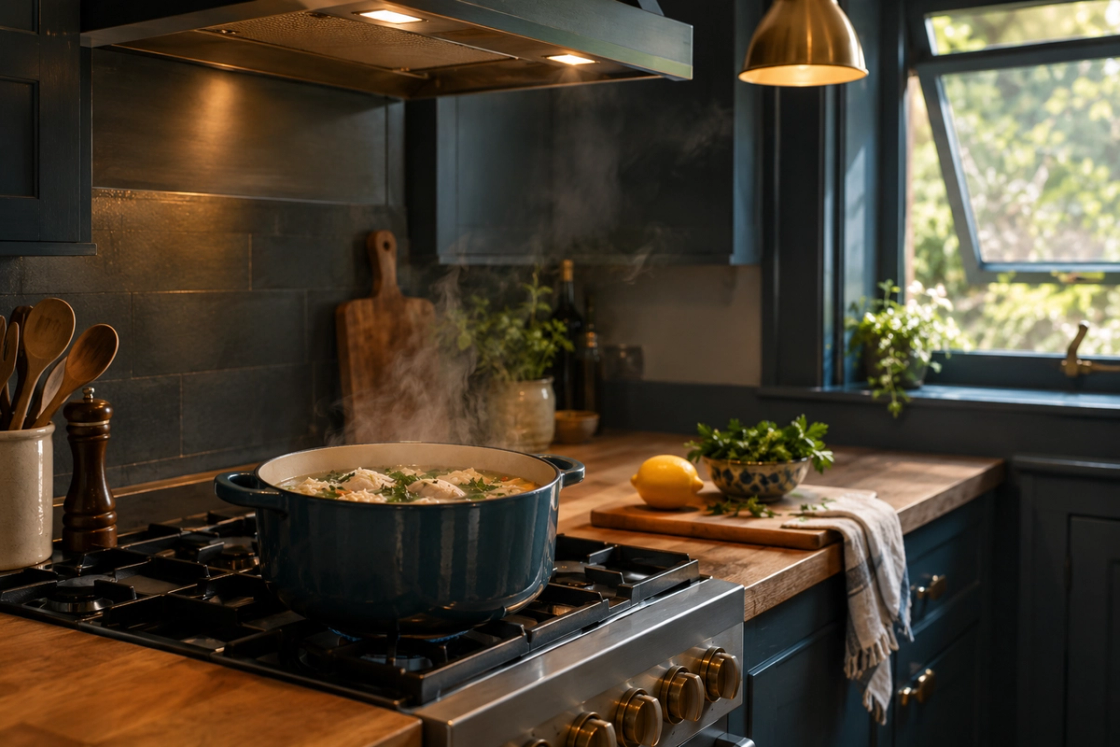
You cook dinner. The kitchen fills with the smell of frying onion and garlic. By the time it's on the plate, you've been breathing it for forty minutes and the last thing you want to do is eat it.
Then the smell sits in the curtains, your jumper and your hair until tomorrow.
If that sounds familiar, smell is probably your limiting factor in the kitchen. The good news is that it's one of the easier sensory problems to design around.
Why smell hits so hard
Smell is the sense that's hardest to escape. You can close your eyes or put in earplugs, but you can't stop breathing.
For many autistic people and people with ADHD, smell sensitivity also comes with a strong link to appetite. A smell that's pleasant for two minutes can tip into overwhelming at twenty. Once it tips, the food it came from can feel off-limits for the rest of the night.
Cook foods that don't broadcast
Some cooking methods and ingredients release far more smell than others.
Usually low-smell
- Poaching and steaming: chicken, fish fillets in a sealed parcel, eggs
- Boiling: pasta, rice, potatoes, frozen vegetables
- Oven-baking in a covered dish or foil parcel
- No-cook meals: wraps, grain bowls with tinned beans, cheese and crackers
Usually high-smell
- Frying onion, garlic or spices in oil
- Searing or grilling meat
- Cooking fish uncovered
- Roasting cruciferous vegetables like broccoli and cabbage
- Anything that burns, even slightly
You don't have to give up the high-smell foods. You might save them for days you have more capacity, or when the windows can be wide open.
Get the air moving before you start
Ventilation works best when it starts before the smell does.
- Turn the range hood on first, before the pan heats, and leave it running for fifteen minutes after you finish.
- Open a window near the stove and another on the far side of the home to create a cross-breeze.
- Close the doors to bedrooms and the room where you'll eat.
- A pedestal fan pointed out a window pulls air better than one pointed in.
If your range hood recirculates rather than venting outside, the filter may need a clean. A greasy filter barely does anything.
Change where the smell happens
Moving the cooking can move the problem.
- A slow cooker or rice cooker can sit on a laundry bench or balcony table.
- An air fryer by an open window keeps smell more contained than the stovetop.
- A barbecue or portable burner outside takes frying and searing out of the house entirely.
- Microwave steaming produces very little smell and very little lingering.
Protect yourself while you cook
A few small changes can stop the smell from reaching the point where it turns you off your food.
- Step out of the kitchen while things simmer or bake. Set a timer and wait in another room.
- Wear a cap or tie your hair up, and change your top before you sit down to eat.
- Eat in a different room from where you cooked, if you can.
- Have a neutral smell nearby. A cut lemon or a cup of coffee can reset your nose.
Clearing the smell afterwards
When the smell lingers into the evening:
- Leave the range hood running longer than feels necessary
- Simmer a small pot of water with a few lemon slices
- Take the rubbish and food scraps out tonight, not tomorrow
- Wipe the stovetop while it's still warm, as grease holds smell
Skip heavily scented sprays and candles if they're a problem for you too. Layering another strong smell on top rarely helps.
A low-smell week
If smell has been putting you off cooking, try a week built mostly from quiet methods:
- Poached chicken with rice and steamed greens
- Pasta with tinned tomatoes, stirred in off the heat
- Baked potato with cheese and beans
- Fish in a foil parcel in the oven
- A grain bowl with no cooking at all
Less deciding, more eating: choose the quiet method, start the fan first, and eat somewhere the smell isn't.
Related reading: Hay Fever Season and Food You Can't Taste