Agree which food is shared before it disappears
Sharing a kitchen does not mean every food is available to everyone. Agree what is shared, what is reserved and what happens when the last portion goes.
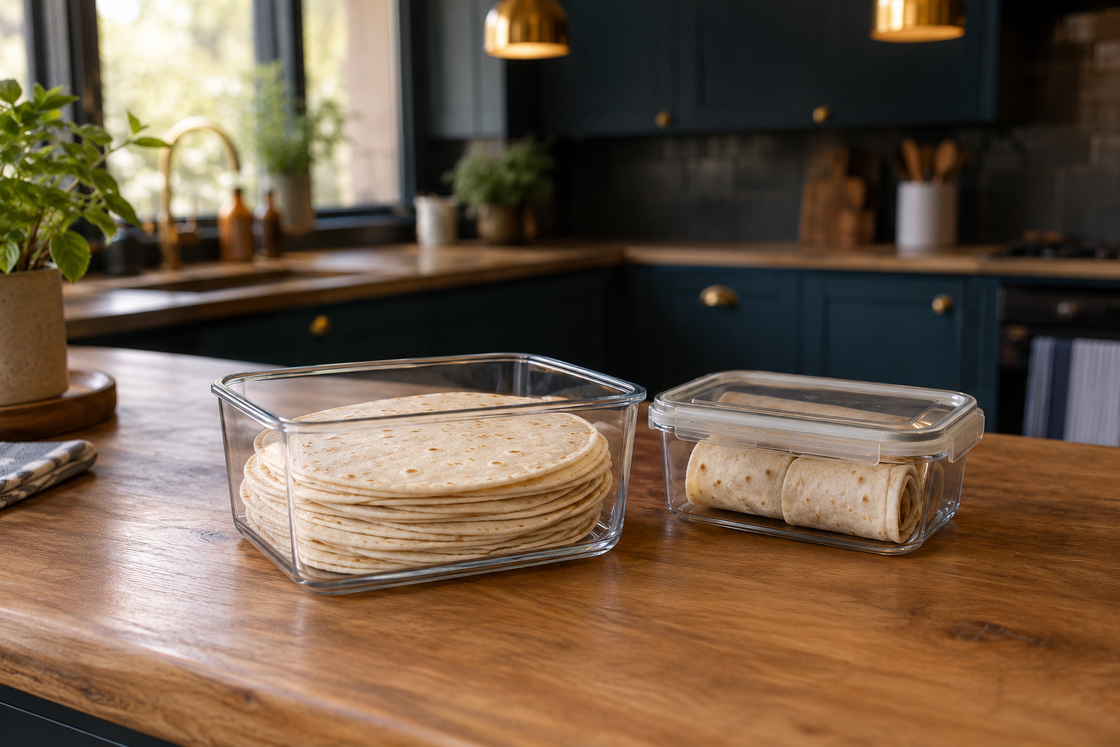
Start with one household agreement: which foods anyone can use, which are being kept for a particular meal, and what to do before taking the last portion. You do not need to reorganise the fridge or agree to eat the same dinners.
The missing food might look like a small thing from outside. But if it was the bread for your familiar lunch, replacing it may mean another shop, a different texture or a meal decision you had already made. Describe the practical gap rather than trying to prove how much the food matters.
Start with the food that keeps going missing
Choose one recurring example, not an inventory of everything anyone has ever eaten. You could say, “I was keeping those wraps for lunch tomorrow. Can we agree which ones are available before either of us takes them?”
Bring it up when neither person is in the middle of making that meal, if possible. A short message is an option if speaking in the kitchen feels harder. Ask for a reply so the arrangement is something you both accept, not a rule one person hopes the other noticed.
Make shared, personal and reserved mean different things
A shared grocery bill does not have to mean every item is available at every moment. Equally, food on the communal shelf is not automatically communal food. Name the few items involved and decide what each description means in your home.
- Shared: anyone covered by the agreement can use it, within any limits you have agreed.
- Personal: ask the owner before using it. No reply is not permission.
- Reserved: this amount is set aside for a named person or meal, even if the rest of the packet is shared.
For example, the household might share a packet of wraps while keeping two for tomorrow's lunch. “Two wraps reserved for Sam's lunch” says more than “leave some”. Check whether guests are included in shared food, too, rather than leaving the person hosting to guess.
Use one signal people will actually notice
Choose a note on the packet, an existing household chat or a familiar spot that everyone agrees to check. There is no need to buy matching tubs or divide every shelf. Keep the signal close to the decision: someone reaching for the wraps needs to know about the reserved amount then.
If labels feel like too much upkeep, agree on a short list of always-personal foods and mark only temporary reservations. If a chat is easily missed, use a visible note instead. Pick words, a picture or another cue everyone understands; colour alone may not be a useful signal for every household.
Agree what happens before the last portion goes
“Replace it sometime” leaves the person planning lunch with the uncertainty. For a shared item someone relies on, agree whether the last usable portion needs a check-in before it is taken. Then name who will replace it, when, and who is paying.
Be realistic about money, transport and energy. The person finishing an item may not be able to shop that evening. If they cannot replace it before the planned meal, the agreement could be to leave that portion and choose something else. A shopping-list entry is a reminder, not confirmation that food will arrive.
Where the exact product matters, name it. The note on choosing acceptable grocery substitutions can help you describe which alternatives you already use. Do not make the replacement another person's surprise taste test.
Keep the agreement small enough to use
A message could be: “Can we share this packet but keep two wraps for my lunch tomorrow? I will put a note on it. Please ask before using those two. If we finish the shared ones, let's confirm who can buy more and when before relying on them.”
Try the arrangement with that one food first. If it gets missed, check whether the signal was visible and the wording clear. Repeatedly ignoring an agreed boundary needs another conversation, not endless extra labelling from you. The aim is a dependable next meal, not a perfectly managed household.